
Data Center Audit Services That Turn Findings Into Action
Understand your existing IT environment, identify opportunities to optimize hardware, space, resources, and infrastructure, and turn data center audit findings into practical recommendations. With experience across enterprise IT hardware and infrastructure solutions, Abacus Hardware helps you evaluate your current setup and plan clear, informed next steps.
Data Center Audit Services That Turn Findings Into Action
Understand what you have, identify what can improve, and build a clearer path for your IT infrastructure.
A data center audit should deliver more than an equipment list. Abacus Hardware assesses your IT environment to help identify opportunities to optimize hardware, space, resources, infrastructure, and time.
With experience across enterprise IT hardware and infrastructure solutions, Abacus connects audit findings with practical recommendations you can use to plan your next steps.

More Than a Data Center Inventory
Almost anyone can perform a data center audit. The real value comes from what happens after the information is collected.
Abacus looks beyond individual servers and components to understand the broader infrastructure environment, including hardware, rack space, resources, utilization, configuration, and lifecycle considerations.
The result is a clearer picture of your current environment and where improvements may be possible.
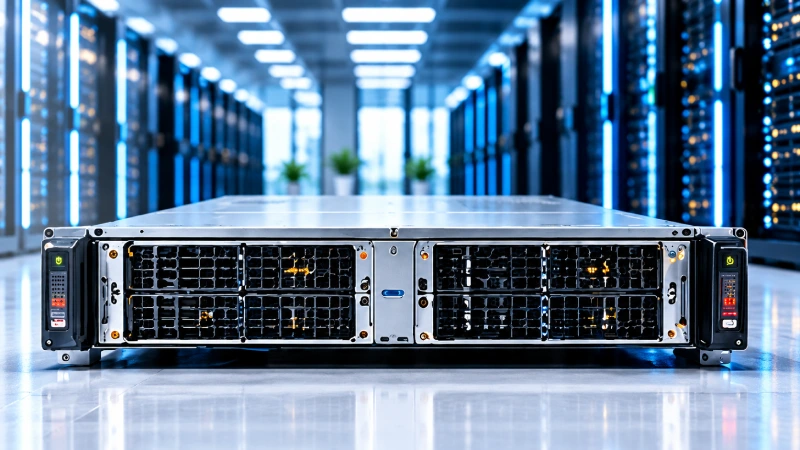
Know What Is Really in Your Data Center
Over time, IT environments can become difficult to track.
Servers are added, equipment is replaced, storage grows, networking changes, and hardware reaches different stages of its lifecycle.
An audit creates a structured view of the infrastructure so your team can make decisions using current, documented information.

Hardware Inventory
Identify servers, storage systems, networking equipment, racks, and other infrastructure assets within the audited environment.

Infrastructure Documentation
Capture relevant equipment details, configurations, locations, and relationships to create a more usable infrastructure record.

Lifecycle Visibility
Identify equipment that may require refresh, consolidation, replacement, reuse, or further evaluation.
Find Opportunities to Optimize Your Infrastructure
An audit should answer more than “What do we have?”
It should help identify “What can we do better?”
Abacus analyzes the infrastructure with an optimization mindset, looking at opportunities involving hardware, physical space, resources, and operational requirements.

Hardware Optimization
Identify opportunities to consolidate, replace, repurpose, or better align hardware with current requirements.
Space Optimization
Review rack layouts, equipment placement, available capacity, and physical infrastructure to identify potential space efficiencies.

Resource Optimization
Evaluate infrastructure resources in relation to the equipment and workloads they support.

Time Optimization
Create clearer infrastructure information so IT teams can spend less time searching for equipment details and more time making informed decisions.
Understand Your IT Infrastructure as a System
Individual hardware components do not operate in isolation.
Servers interact with storage, networking, power, cooling, racks, applications, and other infrastructure components.
Abacus considers these relationships when developing audit findings, helping create a more useful picture of the environment.
Servers
Storage
Networking
Rack Space
Power & Cooling
Workloads
This systems-level perspective helps connect physical infrastructure information with broader IT planning.
From Audit Findings to Infrastructure Recommendations
This is where an Abacus audit goes beyond documentation.
Audit findings are translated into practical infrastructure recommendations based on the condition, configuration, lifecycle, and requirements of the environment.
Recommendations may help your team evaluate opportunities such as:
Benefits:
- Hardware refresh
- Infrastructure consolidation
- Server replacement
- Equipment reuse
- Rack-space optimization
- Storage optimization
- Capacity planning
- Hardware lifecycle planning
- Data center relocation preparation
- Future infrastructure requirements
The objective is to give your team information that can support action—not simply another report.

Build a Clearer Infrastructure Roadmap
A data center audit can provide a useful starting point for future infrastructure decisions.
Once the existing environment is documented and opportunities are identified, your organization can prioritize projects according to operational requirements, available resources, infrastructure lifecycle, and business objectives.
Assess
Understand the current hardware and physical infrastructure.
Identify
Highlight gaps, inefficiencies, lifecycle considerations, and potential optimization opportunities.
Recommend
Develop practical infrastructure recommendations based on the audit findings.
Plan
Use the findings to prioritize future hardware, space, capacity, and infrastructure initiatives.
Why Choose Abacus Hardware for Your Data Center Audit?

IT Infrastructure Expertise

Actionable Recommendations

Hardware Perspective

Optimization Focus
What Can an Abacus Data Center Audit Help You Understand?
A data center audit can provide a useful starting point for future infrastructure decisions.
Once the existing environment is documented and opportunities are identified, your organization can prioritize projects according to operational requirements, available resources, infrastructure lifecycle, and business objectives.
Hardware
What equipment is installed, where it is located, and what role it serves.

Capacity
Where current infrastructure has available or constrained capacity.

Space
How racks, equipment placement, and physical infrastructure are being utilized.
Lifecycle
Which equipment may require further evaluation, replacement, reuse, or refresh planning.

Infrastructure Gaps
Where existing hardware or resources may not align with current requirements.

Optimization Opportunities
Where consolidation, replacement, reuse, or infrastructure changes may improve the environment.
A Data Center Audit Built for Your Next Decision
Different organizations audit their environments for different reasons.
You may be preparing for a hardware refresh, planning a relocation, evaluating infrastructure costs, consolidating equipment, addressing space constraints, or simply trying to understand what is currently deployed.
Abacus structures the audit around the reason you need the information in the first place.
Audit the environment. Understand the infrastructure. Plan the next move.

Frequently Asked Questions
What is a data center audit?
What does an Abacus data center audit include?
Is a data center audit just an inventory?
No. Inventory is one component of an audit.
Abacus uses the collected infrastructure information to identify opportunities and develop recommendations around hardware, space, resources, lifecycle, and future infrastructure requirements.
What happens after the audit?
Abacus delivers audit findings together with infrastructure recommendations that can help your team determine practical next steps.
The findings can support hardware refreshes, consolidation, relocation planning, capacity planning, and other infrastructure initiatives.
Can an audit identify outdated or underutilized hardware?
Can a data center audit help with space optimization?
Can Abacus help implement the recommendations?
Ready to Understand Your Data Center Requirements?
Start with visibility. Finish with a plan.
Whether you are preparing for an infrastructure refresh, optimizing existing hardware, planning a relocation, or simply need a clearer view of your data center, Abacus Hardware can help.
Get an audit that connects what you have today with what you can do next.